VMS, GPS & Smart Traffic Tech in Melbourne
Modern Melbourne traffic management runs on a tech stack — portable VMS, GPS fleet tracking, integrated radios, remote CCTV, and digital permit lodgement — that directly improves response time, site visibility, and compliance. The right equipment is the difference between a fast safe deployment and a sluggish opaque one.
Key takeaways
- Modern traffic management runs on a tech stack: portable VMS, GPS fleet tracking, integrated radios, remote CCTV, digital permits.
- Technology directly improves response time, evidence quality, and compliance — not cosmetic.
- Outdated equipment causes deployment delays, visibility failures, and compliance gaps.
- Solar VMS, digital documentation, and GPS-optimised rostering reduce emissions for sustainability-flagged tenders.
What modern technology should a traffic control vehicle carry?
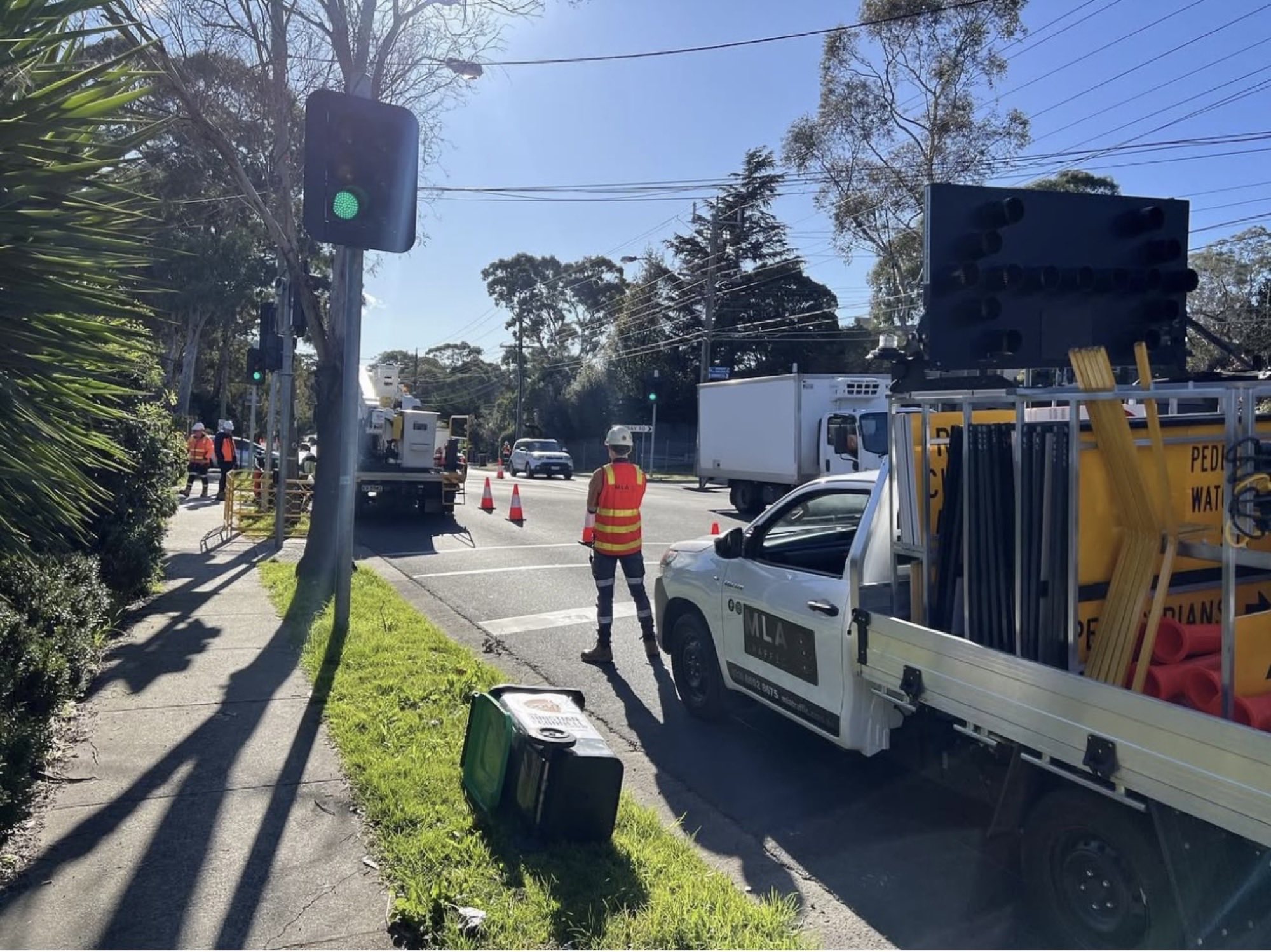
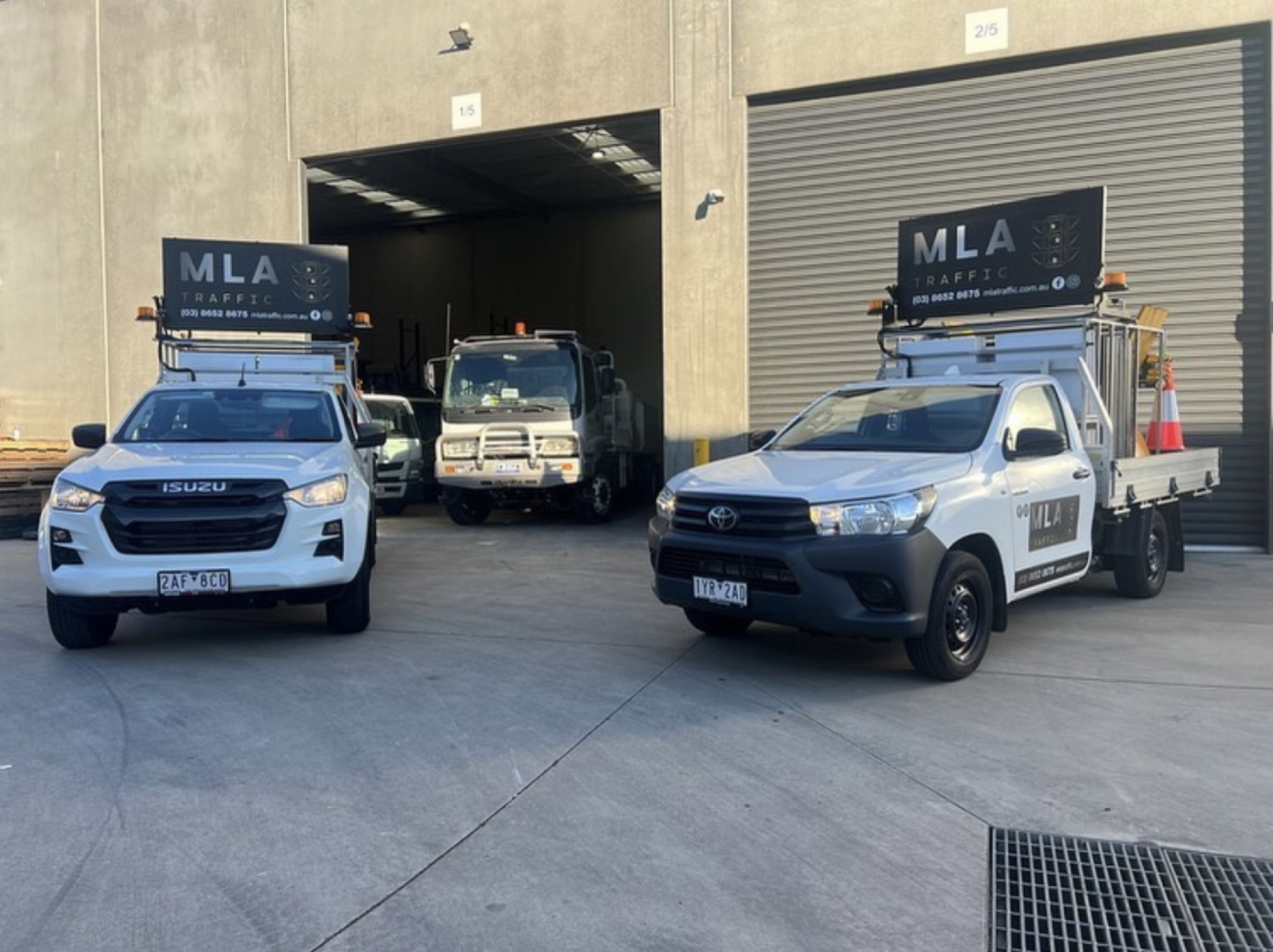
- GPS fleet tracking for real-time location and dispatch
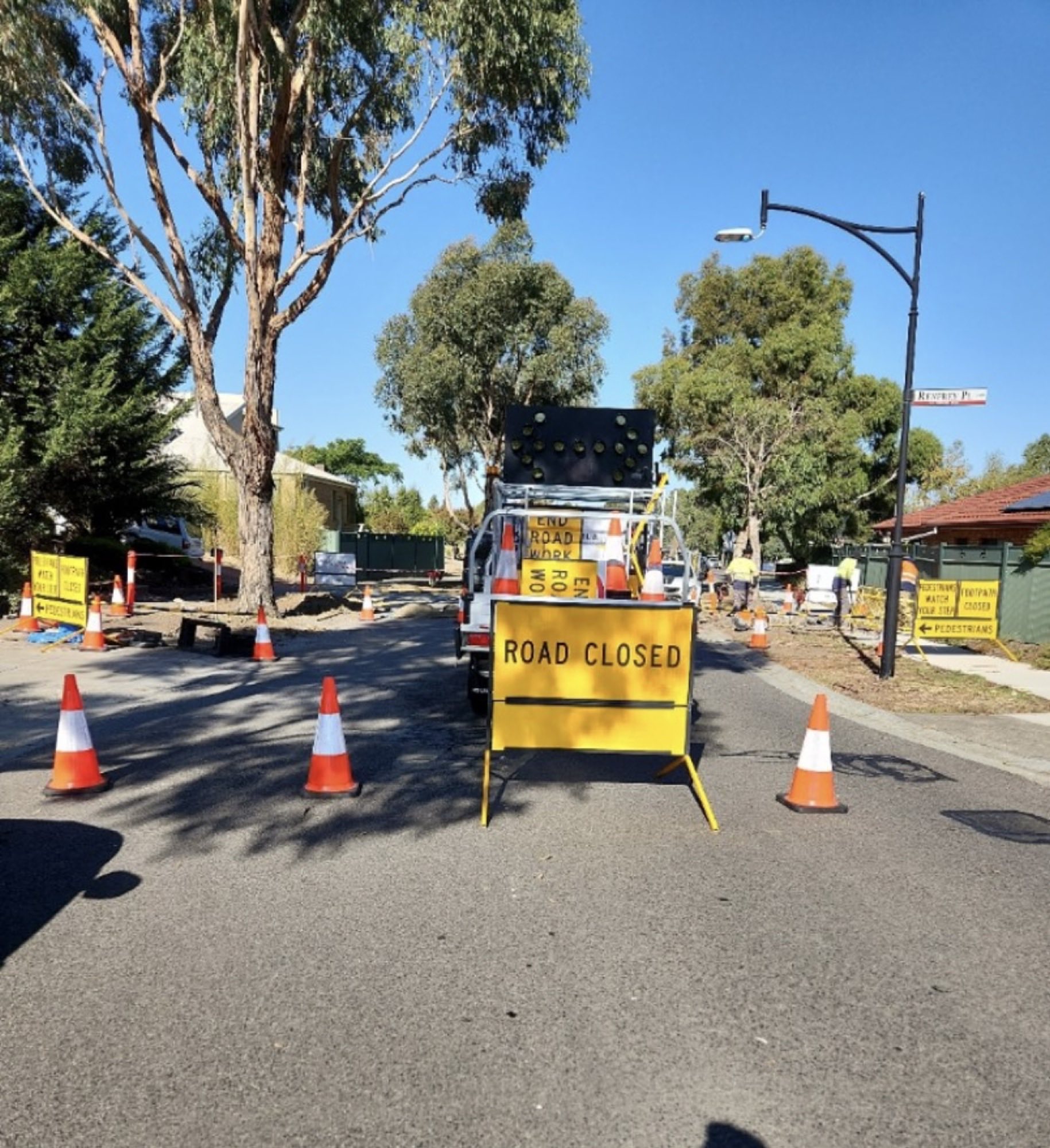
- LED arrow boards (digital, programmable, brighter than legacy lights)
- Variable Message Signs (VMS) — portable and remotely programmable
- Integrated radio comms linked to supervisors
- Reverse cameras and full LED lighting
- HD incident cameras for compliance and dispute records
How does fleet tech improve site safety?
Electronic signage gives drivers earlier and clearer warnings (reducing last-minute lane changes), LED visibility reduces controller exposure in low-light, GPS tracking lets supervisors verify crew positioning without leaving the site.
What is portable VMS and why does it matter?
Variable Message Signs are portable, programmable LED boards that show real-time messages — lane changes, detours, speed limits. Remotely programmable VMS lets supervisors update messaging without sending a crew to the device.
How does remote CCTV improve site safety?
Temporary CCTV towers stream to a central monitor, letting supervisors watch behaviour across sites in real time. That enables faster incident response and creates a documented record for compliance disputes.
Are digital permits faster than paper?
Yes — digital permit systems shorten application-to-approval cycles by reducing paperwork errors, enabling status tracking, and letting permit officers see application history at a glance.
What's the sustainability angle?
- Solar-powered VMS eliminates generator emissions
- Digital documentation replaces paper records
- GPS-optimised crew routing reduces fleet kilometres
- Reusable water-filled barriers replace single-use materials
FAQ
Frequently asked.
- Does newer equipment cost more?
- Modern fleet can have a higher hourly rate but typically reduces total project cost through faster setup, fewer incidents, and stronger compliance records.
- Is GPS tracking standard now?
- Yes — GPS tracking is standard in modern traffic management fleets and is increasingly required for major Victorian government works.
Related services
Written by
Nikola Doncevski
Director, MLA Traffic
Director at MLA Traffic and MLD Corporation Pty Ltd. Nikola leads the company's strategic direction, client partnerships, and growth across Melbourne and regional Victoria.
LinkedInKeep reading
Related posts.
Need traffic management fast?
Day or night, metro or regional Victoria — we're ready. Call now or request a quote online.